In today's competitive market, choosing the right storage solutions is crucial. Experts recommend "Pallet Storage" for its efficiency and versatility. John Reynolds, a leading expert in logistics, states, "Pallet Storage maximizes space while minimizing handling time." This statement holds weight for businesses seeking optimization.
Pallet Storage is adaptable for various industries, whether in warehousing or retail. It offers strong support for heavy goods and simplifies inventory management. However, some companies overlook its potential. They stick with less efficient methods, risking operational delays and increased costs.
Implementing Pallet Storage requires initial investment and employee training. These challenges can deter businesses. Yet, the long-term benefits outweigh the drawbacks. A well-organized pallet system can significantly enhance productivity. The need for efficient storage solutions remains urgent. Businesses must reflect on their current methods before making a decision.
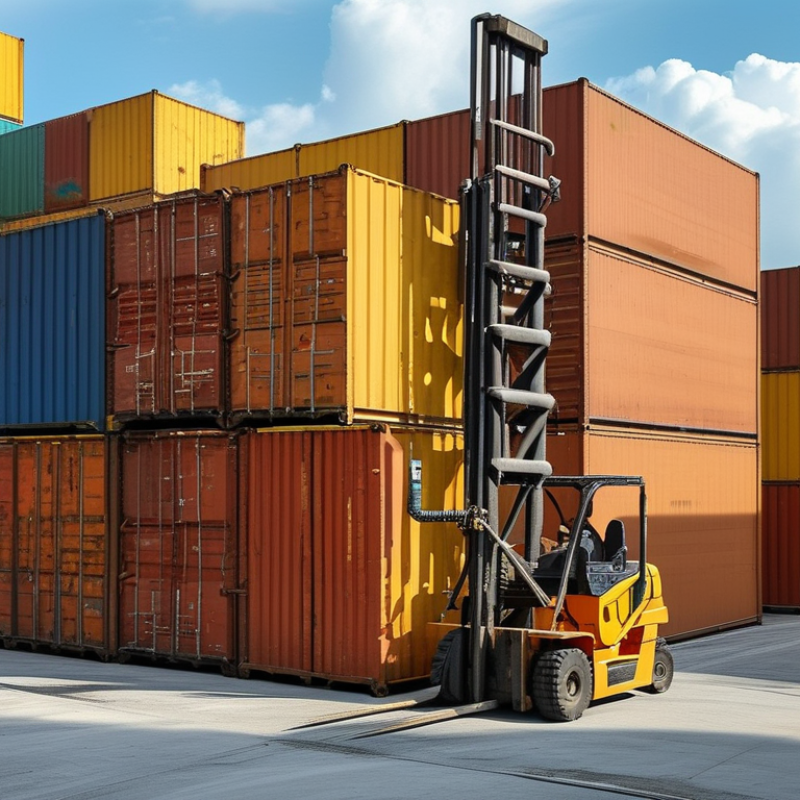
Pallet storage solutions provide a practical way to manage inventory in various business environments. They can utilize vertical space effectively, allowing for higher stacking of goods. This is especially advantageous for warehouses facing space constraints. With pallet racking, businesses can store large quantities of goods while ensuring accessibility for efficient picking and packing.
Understanding the specifics of pallet storage is key. Different industries have unique needs. For instance, food and beverage sectors may require compliance with health standards. This adds complexity to the storage solutions. Not every system fits all scenarios, leading to potential inefficiencies. Businesses should assess their inventory turnover rates and item dimensions before deciding.
Investing in pallet storage doesn't guarantee immediate efficiency. Some systems may need tweaking after initial implementation. Regular audits on the storage configuration can reveal mismatches between storage method and inventory needs. Finding the right balance often involves trial and error. Companies must remain flexible and open to adjustments to optimize their operations effectively.
| Feature | Description | Benefits | Application |
|---|---|---|---|
| Space Optimization | Maximizes vertical storage using pallet racking systems. | Increased storage capacity and better inventory management. | Warehouses, distribution centers. |
| Ease of Access | Allows quick retrieval of goods with organized layouts. | Faster order fulfillment and reduced picking time. | Retail, e-commerce. |
| Cost Efficiency | Lower storage costs through improved space utilization. | Reduces operational costs and improves ROI. | Manufacturing, wholesale. |
| Flexibility | Easily adjustable to changing inventory needs. | Supports dynamic inventory management. | Seasonal businesses, fluctuating markets. |
| Safety | Enhances workplace safety with proper load distribution. | Reduces accidents and promotes employee well-being. | Any business with heavy lifting requirements. |
: Pallet storage can reduce operational costs by up to 30% and improve accessibility.
They maximize space and allow quicker loading and unloading, which minimizes downtime in operations.
Poorly designed configurations can waste space and create safety risks. Regular assessments are needed.
Selective racks, drive-in racks, and push-back racks are common options, each with unique advantages.
They provide direct access to pallets, improving space utilization by up to 30%.
They may lead to older stock sitting unused at the back, causing potential waste in product rotation.
Push-back racks can save up to 40% of floor space but may not suit diverse product lines.
Efficient systems lead to safer environments, reducing accidents and lowering insurance premiums over time.
Initial setup costs, training, and ongoing maintenance are crucial for successful implementation.
Adapting to changing needs helps fine-tune operations and maximize cost-effectiveness over time.
Pallet storage solutions offer businesses a versatile and efficient way to manage inventory and optimize warehouse space. By understanding the various types of pallet storage systems available, companies can better assess their specific needs and select the most suitable option. The key benefits of implementing pallet storage include improved organization, increased accessibility, and enhanced space utilization, all of which contribute to smoother business operations.
Moreover, pallet storage systems can be cost-effective, reducing overhead costs associated with traditional storage methods. Implementing best practices, such as strategic layout design and regular maintenance, can further maximize efficiency in pallet storage. Overall, choosing the right pallet storage solution can significantly enhance a business's operational effectiveness and adaptability in a competitive market.

 Dinghui Racking