Choosing the best shelving systems in 2026 requires more than comparing glossy product photos. Warehouse managers, retailers, offices, and homeowners face different pressures. Available space, load capacity, access speed, appearance, and installation time all influence the right decision.
This guide examines leading Shelving Systems through practical performance, not marketing language alone. It considers modular steel shelving, boltless units, mobile shelving, adjustable wall systems, and automated storage solutions. Each option serves a different environment. Some maximize vertical space. Others improve picking efficiency or create a cleaner workplace. Small details matter, such as beam adjustment, shelf depth, anchor points, and corrosion-resistant finishes.
Real-world experience reveals the gaps. A strong frame may still feel inconvenient when shelves are difficult to reposition. A compact design may reduce walking distance but increase maintenance demands. That trade-off deserves attention. No system wins everywhere.
The assessment also refers to published load ratings, installation instructions, warranty terms, material quality, and independent safety guidance. Buyers should verify specifications before purchase, especially when storing heavy or uneven items. Professional installers can identify floor conditions, clearance issues, and potential stability concerns. Still, expert advice is not infallible. Product availability, regional standards, and workplace habits can change the result.
The following overview highlights the most promising shelving categories for 2026. It explains where each system performs well, where it may disappoint, and which questions deserve careful consideration before investing. Expect practical comparisons, not absolute promises.
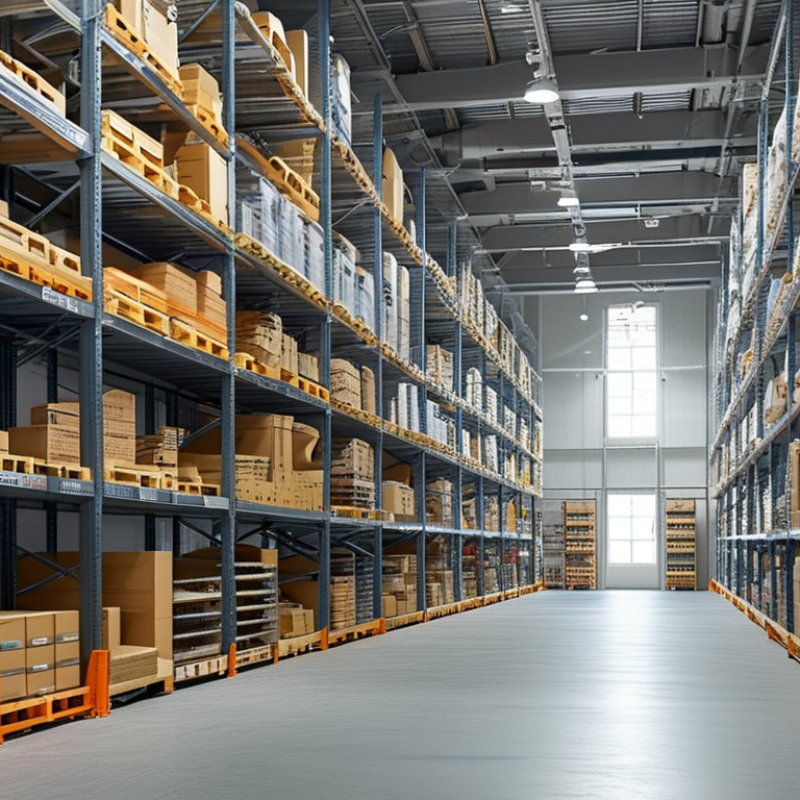
A top shelving system in 2026 is not simply tall, strong, or attractive. It must fit changing storage needs, support safe handling, and use floor space intelligently. Deloitte’s 2024 Smart Manufacturing and Operations Survey found that 92% of manufacturers viewed smart manufacturing as important for future competitiveness. This shift also affects shelving. The strongest systems now support barcode scanning, stock visibility, and modular reconfiguration without major rebuilding.
Safety remains a defining measure. A professional system should state load limits clearly, distribute weight evenly, and include anchoring options for unstable floors or seismic areas. The 2024 MHI Annual Industry Report reported that 55% of supply-chain professionals planned to increase technology investment. However, technology cannot fix poor layout. A shelf that blocks walkways or hides slow-moving items still creates daily waste. My practical test is simple: Can a worker find, reach, and return an item without stretching or moving three boxes? Not always.
Tips: Measure ceiling height, aisle width, and the heaviest stored item first. Leave space for future inventory growth. Check fasteners regularly. Adjustable shelves are useful, but they are not automatically better; weak joints and overloaded panels remain common failures. Select corrosion-resistant materials for humid rooms, and document every capacity rating. A top system should be efficient today, adaptable tomorrow, and honest about its limits.
: It should combine safety, flexibility, and efficient floor use. Modular frames can adapt as inventory changes. Smart features may support barcode scanning and stock visibility. Technology cannot repair a poor layout.
Powder-coated steel usually handles heavier loads and frequent use. It also resists scratches and cleans quickly. Aluminum is lighter and resists corrosion, but often carries less weight. Check the actual rating.
Recycled steel can provide durable storage with a lower material impact. Its finish may vary between suppliers. Inspect the coating, joints, and stated capacity before installation. Appearance alone proves little.
Adjustable shelves help store files, boxes, and changing equipment. However, weak joints can fail when panels are overloaded. Test each adjustment point with realistic weight. Flexibility has limits.
Measure wall width, ceiling height, and walking clearance first. Wall-mounted shelves keep narrow floors open. Corner units use awkward space but may collect dust. Small errors become annoying.
Clear load limits and even weight distribution are essential. Anchors should match the wall or floor material. Anti-tip protection helps around children and pets. Locking casters matter on uneven floors.
Mobile units can free valuable floor space in studios, classrooms, and storerooms. They need broad bases and secure locking wheels. Test them while fully loaded. Empty displays can mislead.
Weight sensors and barcode tracking can improve inventory visibility. LED lighting may shorten searches in dark aisles. These features need calibration and secure data handling. Maintenance costs deserve attention.
Use real containers with realistic weight and dimensions. Check shelf deflection, fasteners, aisle clearance, and replacement parts. Try finding and returning one item without moving other boxes. Not always easy.
The top Shelving Systems of 2026 are defined by flexibility, strength, efficient space use, and adaptable design. Modern systems combine durable materials such as steel, engineered wood, and recycled composites with practical features including adjustable levels, modular components, concealed storage, and improved weight distribution. Some designs also incorporate smart organization tools, such as inventory tracking or space-planning features, to support changing household, office, retail, and industrial needs.
Choosing the right system depends on the available space, intended load, visual style, and frequency of use. Wall-mounted shelves can maximize limited areas, while freestanding, mobile, heavy-duty, and modular options serve larger or more specialized spaces. Before installation, users should measure carefully, confirm wall or floor support, and follow safe assembly procedures. Regular inspection, cleaning, tightening of fasteners, and prompt replacement of damaged parts will help maintain stability, appearance, and long-term performance.

 Dinghui Racking