In the fast-evolving world of warehousing and inventory management, "Motorized Mobile Storage" has emerged as a vital solution for businesses. These innovative systems allow for efficient use of space, helping companies maximize storage capacity. They are not just about convenience; they represent a strategic investment in the future of logistics.
Global buyers, across various industries, need to navigate a complex landscape of options. Each solution presents unique features and potential pitfalls, and identifying the right fit is crucial. Understanding these systems requires expertise in operational efficiency and storage needs. This is an area where knowledge often separates success from failure.
As we explore the top solutions for 2026, we must consider practical aspects. How do these systems integrate with existing processes? What challenges may arise during implementation? Reflecting on past experiences can provide valuable lessons. Motorized Mobile Storage is not just a trend; it is a significant shift toward smarter operations. This exploration aims to provide clarity amidst the diversity of choices, empowering buyers to make informed decisions.
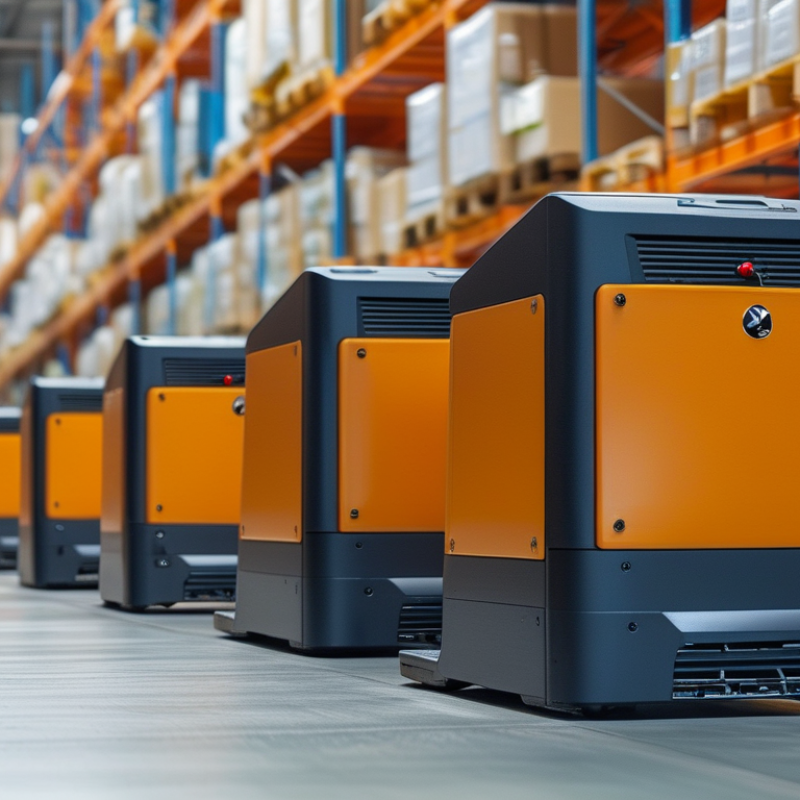
Motorized mobile storage solutions are gaining traction in various industries. They provide efficient space management and easy access to stored items. These systems use electric motors to move storage units seamlessly along tracks. This design maximizes available space, especially in compact environments. Flexibility is a key feature, allowing users to customize configurations for their specific needs.
Many organizations value the safety features of these systems. They often include automatic sensors that prevent collisions during movement. This protects both the equipment and the personnel working around it. However, potential users should consider the initial setup costs and ongoing maintenance. Some systems may require specialized training to operate effectively, which could hinder immediate usability. Additionally, there's the challenge of integrating these solutions with existing workflows.
Users appreciate the adaptability of motorized mobile storage, but it comes with a steep learning curve. Regular updates and maintenance checks can ensure long-term reliability. High-quality components are essential for optimal performance. Yet, businesses must weigh these benefits against potential obstacles. As new technologies emerge, keeping pace with advancements becomes crucial.
In the rapidly evolving landscape of motorized mobile storage, key players are shaping the future. The mobile storage market is expected to grow significantly, with a projected CAGR of 8.5% from 2023 to 2028, according to several industry reports. This growth highlights the increasing need for efficient space utilization in various sectors, including healthcare, education, and libraries. Companies are innovating to enhance operational efficiency.
Leading manufacturers are focusing on automation and user-friendly designs. Advanced technologies are being integrated, allowing for seamless movement and enhanced access. The global shift towards sustainable practices is challenging suppliers to develop eco-friendly storage solutions. Not all companies are keeping pace with these demands, which raises questions about competitiveness in the market.
As consumer preferences evolve, so do storage needs. Many organizations struggle to adapt their facilities to accommodate mobile storage systems. Misalignment between inventory and storage solutions can lead to inefficiencies. Data indicates that around 30% of existing mobile storage systems are underutilized. This presents an opportunity for companies to reassess their strategies and improve service delivery while maintaining reliability and security in storage management.
Mobile storage technology is rapidly evolving, catering to diverse global needs. Innovative designs are reshaping traditional storage methods. Retractable mechanisms and modular designs now dominate the market. These solutions can be customized for various environments. Users seek adaptability, sustainability, and efficiency in their storage systems.
Recent trends indicate a shift towards eco-friendly materials. Manufacturers are investing in recyclable and biodegradable options. This aligns with global sustainability goals. Furthermore, smart technology integration is a key focus. IoT systems enhance user experience through automation and real-time monitoring. However, data privacy and security remain concerns.
The increasing demand brings challenges. Not all consumers are informed about the latest technologies. Misunderstandings can lead to poor purchasing decisions. Companies must emphasize education and support. Communicating the benefits and limitations of mobile storage is essential. Without clear guidance, users may overlook optimal solutions.
| Storage Type | Capacity (in cubic ft) | Mobility Feature | Industry Application | Innovative Feature |
|---|---|---|---|---|
| Dynamic Racking System | 500 | Automated Movement | Warehousing | Smart Inventory Tracking |
| Mobile Shelving Units | 300 | Manual/Power Options | Office & Archives | Space Optimization |
| Rolling Storage Solutions | 200 | Rolling Base | Healthcare | Ergonomic Design |
| Compact Mobile Carts | 100 | Lightweight | Retail | Customizable Layouts |
| Automated Storage and Retrieval Systems (AS/RS) | 1000 | Fully Automated | Manufacturing | AI-Driven Efficiency |
In the realm of mobile storage, buyers face a plethora of solutions. These offerings vary significantly in design, functionality, and cost. It's crucial for consumers to assess these options based on specific needs. Features such as modularity and accessibility can influence the decision. Some models promise ease of use but often fall short in durability. This can lead to frustration, especially in high-demand environments.
When comparing popular mobile storage systems, consider the layout and organization. Effective designs enhance workflow. However, not all systems accommodate every type of inventory. Some buyers find that certain solutions do not maximize space efficiently. This is where proper planning and analysis are essential. Gathering user feedback can provide insights, yet experiences may differ widely.
Reflecting on the choices available, it's important to prioritize reliability. Many solutions boast innovative features but may lack long-term performance. A thorough evaluation of product reviews and expert opinions can guide buyers. However, personal experience often yields the clearest perspective. Ultimately, understanding both the strengths and weaknesses of each option is key to making an informed choice in mobile storage solutions.
When selecting motorized storage systems, begin by assessing your specific needs. Consider the available space and the types of items you will store. Measuring the dimensions of your storage area accurately can prevent costly mistakes. Always plan for future needs, as your storage requirements may grow.
Factory conditions often differ from theoretical expectations. Test systems under real operating scenarios. Engage with experienced users to gather feedback. This can reveal potential challenges that might not be immediately apparent. Evaluate the energy efficiency of the motorized systems. Sometimes, eco-friendly options might lead to higher initial costs but reduce long-term energy expenses.
Lastly, regardless of technical specifications, ensure that the system is user-friendly. Complexity can impact employee training and usage. Pay attention to the reliability of the manufacturer. A reputable provider often offers better support and maintenance services. Regular reflection on your system's performance can guide future modifications.
: These are systems that use electric motors to move storage units along tracks. They help manage space efficiently.
They often include automatic sensors to prevent collisions, protecting both equipment and personnel.
Initial setup costs, ongoing maintenance, and the need for specialized training are important factors to review.
Yes, they can be customized, but users may face a steep learning curve.
Innovative designs, eco-friendly materials, and smart technology integration are key trends in the market.
Educating consumers about benefits and limitations is crucial for making informed choices.
Assess your specific needs, measure your space, and consider future requirements for effective selection.
Yes, evaluating energy efficiency can save costs in the long run, even if initial prices are higher.
Complex systems can hinder employee training and everyday use, complicating operations.
Regular updates and maintenance checks are essential for optimal performance and stability over time.
Motorized Mobile Storage solutions have become increasingly popular among global buyers due to their efficiency and space-saving capabilities. These systems allow for flexible storage options, enhancing accessibility and organization in various settings. Key features of motorized mobile storage include streamlined designs, automated retrieval systems, and customizable configurations that meet diverse needs. Recent trends highlight innovations such as smart technology integration and eco-friendly materials, which are shaping the future of mobile storage.
When choosing the right motorized mobile storage solution, it is essential for buyers to conduct a comparative analysis of available options, considering factors like capacity, ease of use, and compatibility with existing systems. Best practices for implementation involve thorough planning and training to maximize the benefits of these advanced storage systems, ensuring that organizations can effectively optimize their space and resources while enjoying the convenience of modern storage technology.
Dinghui Racking